
Creating a wedding budget can feel like one of the biggest hurdles for couples planning their celebration. Through research, chatting with couples, and working alongside wedding pros, I’ve seen budgeting become that first big step that shapes the rest of the process. Having a clear and realistic game plan helps couples celebrate without headaches later on. Here’s a practical walkthrough I put together to help make building your wedding budget as straightforward as possible and keep the excitement high as you plan.
Planning Essentials
Wedding planning brings a long checklist of expenses. You’ve got the venue, catering, flowers, music, photography, wedding attire, and smaller details like decor and favors. Before you get into picking out color palettes or sampling cakes, building a super detailed budget checklist sets the tone for the whole adventure. Kicking things off with an open conversation about available funds keeps expectations clear and realistic for everyone from start to finish.
Begin by looking at your current money situation. That means figuring out what you can comfortably contribute, along with any support from family. Totaling up your savings and any expected contributions gives a clear ceiling before spending starts. Doing this early gives you extra room to highlight what matters most and prevents those tricky money talks from popping up halfway through planning.
Sometimes, couples find that talking about money can feel a bit awkward, but honesty at this stage really sets both of you up for a smoother planning experience. Think about upcoming expenses outside the wedding, too—are you also saving for a house or a honeymoon? Consider everything before locking in numbers, and remember: you don’t have to do everything at once—step by step is just fine.
Budget Process
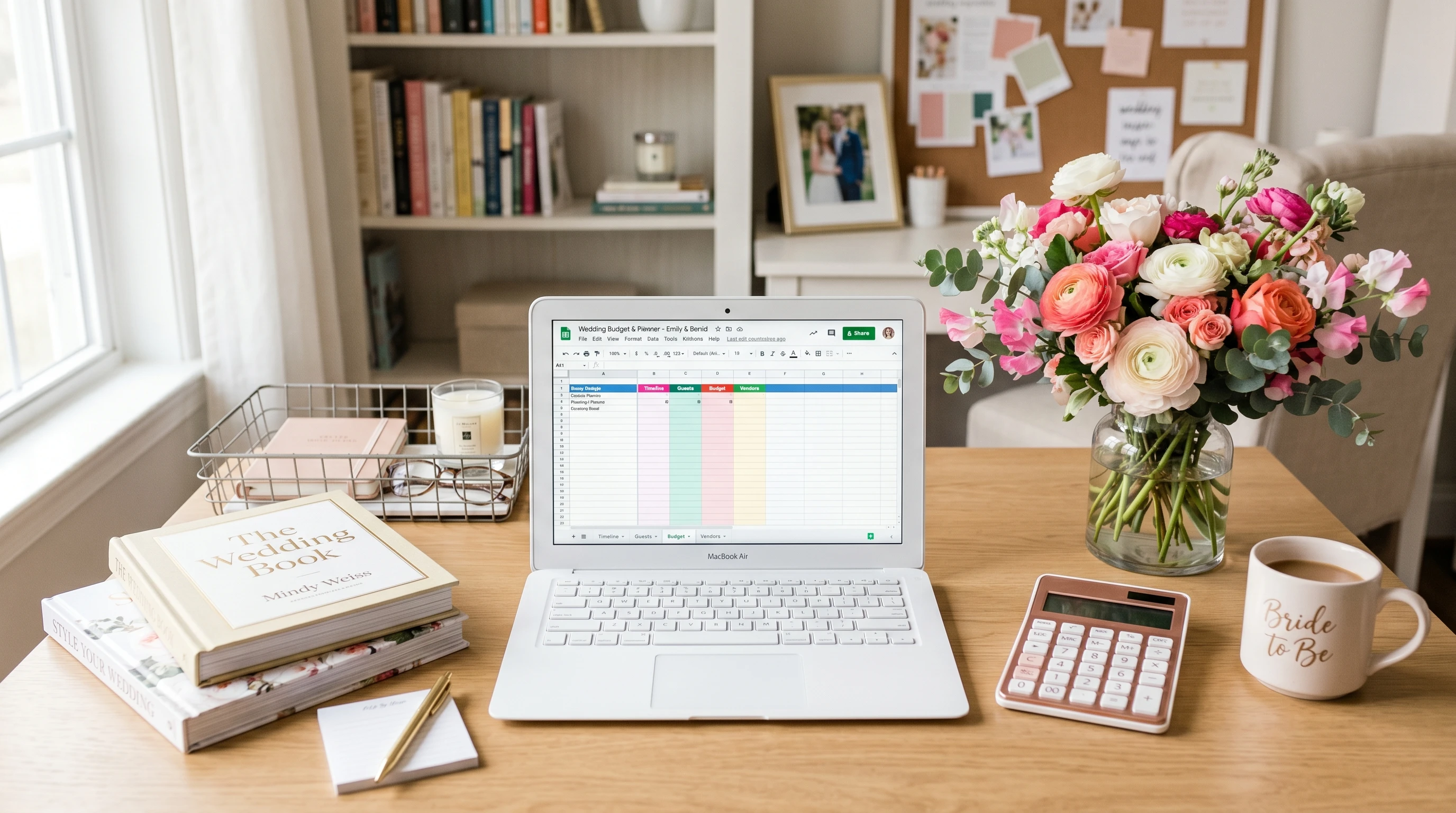
One of the best tools I’ve seen is a simple spreadsheet. Start by listing all the parts you want for your wedding: venue, catering, decorations, attire, photographer, entertainment, transportation, stationery, cake, florals, and any extras special to your celebration. Give yourself columns for estimated and actual costs, payment deadlines, and notes from vendor chats.
Checking out average prices really helps here. Vendor websites, online wedding calculators, and connecting with friends who recently got married give you a ballpark for local prices. Once you have estimates, walk through as a couple—maybe even invite family if they’re helping out financially—and decide what’s non-negotiable and where you can scale back if needed. I’ve seen couples label items as “must-haves,” “nice-to-haves,” and “optional extras” to keep priorities clear.
It’s smart to build in a bit of a cushion, usually about 5-10% of your total budget, for those surprise expenses. Maybe you suddenly need umbrellas because of rain, or you decide last minute to add comfy lounge seating. Having this buffer keeps those little surprises from blowing up your plan.
Spending Allocation (Recommended Percentages)
No two weddings are exactly alike, but these general percentages are a helpful starting point for splitting your budget:
- Venue & Catering: 40%; this is often your biggest chunk since food, drinks, and the space are the heartbeat of your celebration.
- Photography & Videography: 15%; capturing the day is super important—you’ll want memories for years to come.
- Music/Entertainment: 10%; DJs, bands, or other fun choices help set the vibe and get guests moving.
- Flowers: 10%; bouquets, table arrangements, and ceremony decor add that eye-catching touch.
- Wedding Attire & Beauty: 5%; from the dress or suit to hair, makeup, and shoes.
- Favors & Gifts: 2%; little thank-yous for your VIPs and guests.
The other 18% can go toward necessities like stationery, transportation, cake, and any personal touches that make your day yours.
Financing Options
Every couple’s finances are different. Paying for everything from your savings is the most straightforward route, and it means you can skip future monthly payments or interest charges. If you want to spread expenses out, here are a few options to consider:
- Credit Card: Some couples use cards for points or travel miles, but it’s best to use one with low interest and pay off the balance regularly. Keeping track of spending with a card helps if you’re organized, but costs can creep up if you’re not careful.
- Personal Loan: Taking out a personal loan can bundle wedding costs into one monthly payment (often with a lower interest rate than a regular credit card). Shop rates ahead of time so you can keep repayments manageable.
Often, mixing some saving with a bit of smart financing can break up the big costs while keeping you from running up major bills later.
Savings Strategy
A separate wedding-specific savings account is a great move that plenty of couples swear by. Keeping your wedding funds separate from daily spending reduces the odds of accidental overspending. Setting up an automatic monthly transfer turns saving into a habit—and takes one more thing off your mental to-do list.
It’s helpful to give your savings goal an upbeat name—something like “Our Wedding Bash 2025″—and chop it up into monthly mini-goals. Let’s say your target is $15,000 over 15 months; saving $1,000 per month feels doable and way less scary than looking at the whole pile at once. Seeing that number tick up can be a real motivator as your big day gets closer.
Don’t be afraid to make adjustments if you stumble upon extra expenses or save money in one area. Flexibility is key to staying sane and happy throughout the ride.
Tracking & Management
Tracking your spending lets you keep your budget steady. Excel sheets are awesome, but there are also some next-level cool apps that split costs up by category and ping you when due dates roll around. Regular check-ins—weekly or monthly—help spot issues before they snowball, so you can quickly adapt.
One of the biggest lessons I’ve picked up from couples is that focusing on what matters most makes all the difference. Opting for quality over quantity can mean a more memorable day, even if that means inviting fewer guests or skipping passing trends. Center the event around experiences and details that define your relationship, rather than what’s trending on social media.
Strong communication with everyone chipping in—especially family members—stops misunderstandings before they start. Regular check-ins on what’s covered and what’s not avoids stress later when payments are due.
Common Budgeting Pitfalls (And How to Dodge Them)
- Forgetting Taxes, Gratuities, and Service Charges: These can pile up fast and surprise you. Make sure to ask vendors about every fee up front, including tips and service charges, to keep your budget realistic.
- Guest List Creep: It’s easy to add “just one more” guest, but every extra spot affects food, seats, and favors. Keeping your guest list in check is maybe the single most effective way to control costs.
- Underestimating DIY Projects: Big do-it-yourself plans seem budget-friendly at first, but supplies (and your time) can add up quickly. Price out every piece before you commit to ambitious projects.
- Overcommitting on Upgrades: Vendors offer lots of tempting upgrades, but all those extras can snowball. If you fall in love with something special, pick just one or two premium touches to splurge on.
Your Wedding, Your Way – Staying True to Your Story
The best tip I’ve seen is to keep the day meaningful and personal while making smart choices. A beautiful wedding doesn’t have to mean financial regret. Teaming up with planners, pros, friends, and family throughout the process helps make everything smoother and more fun.
Whether you want something cozy and small or a bigger bash, thoughtful budgeting builds a strong foundation. If a surprise cost shows up—and let’s face it, it probably will—having room to wiggle in your plan lets you handle it without panic.
Lastly, don’t forget to take care of yourselves along the way. Step back every now and then, breathe, and enjoy being engaged! After all, this celebration is truly about your story together.
Frequently Asked Questions
How early should I start my wedding budget?
Starting your wedding budget as soon as you begin planning works best. Get it going before you put down deposits or sign contracts. Starting early gives you max flexibility so you can make decisions you’re proud of later.
How do I decide where to spend and where to save?
Decide together which details make your day special. Focus more of your budget there and scale back on things that aren’t top priorities. There’s nothing wrong with skipping expensive trends if they don’t fit your style as a couple.
What’s the best way to keep track of wedding spending?
A spreadsheet or a wedding budget tracking app both work well. Regular updates, synced between both of you, help ensure you always know where you stand—and keep surprises to a minimum.