
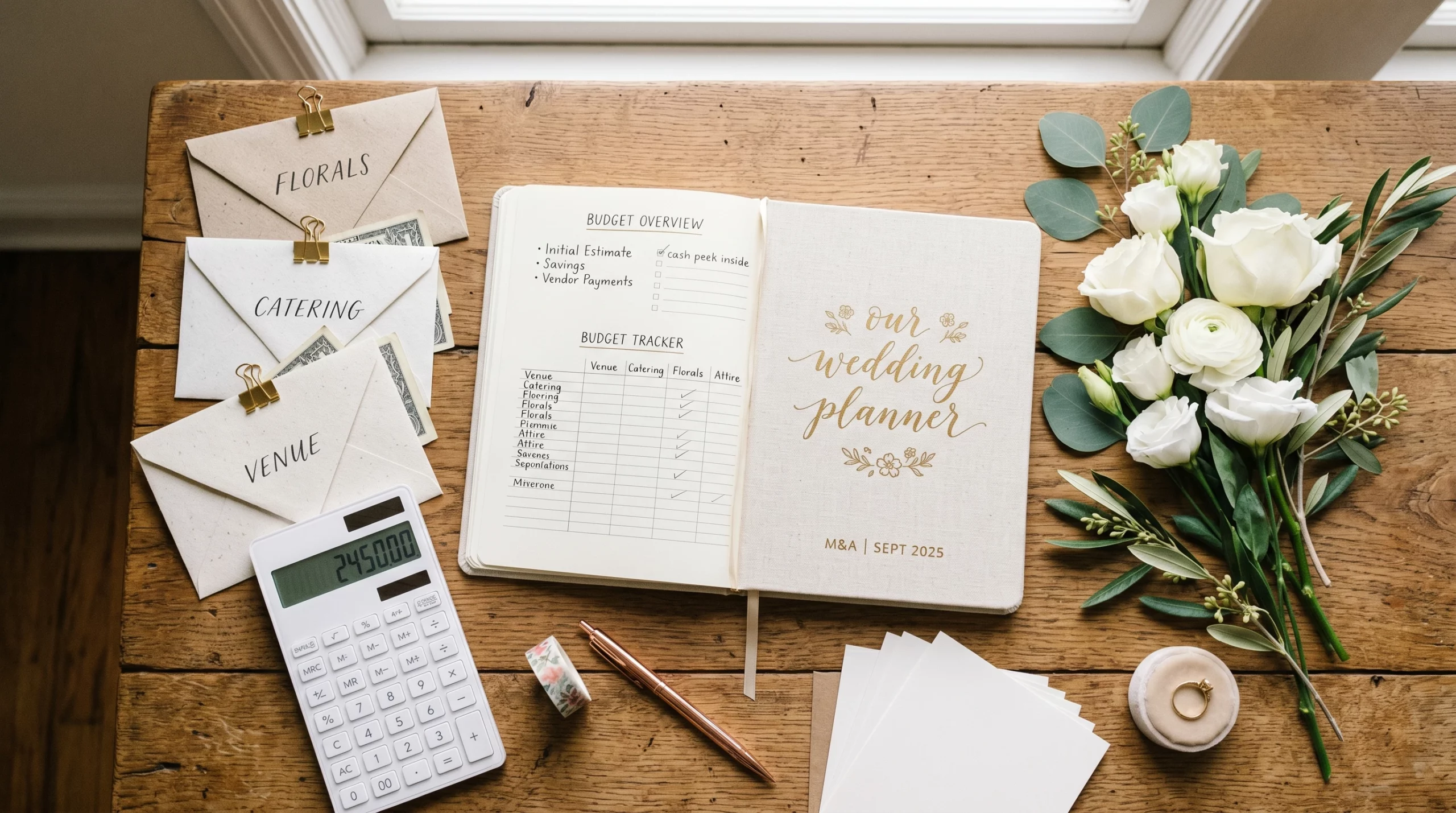
If you’re dreaming about your perfect wedding but feeling a bit overwhelmed about the money side, you’re definitely not alone. Figuring out how to make your wedding memorable without blowing your budget is possible with some practical strategies. I’m breaking down my favorite wedding budget tips that take the stress out of planning and help you focus on what actually matters, like celebrating your big day with the people you love most. Everyone wants their wedding to be unforgettable, but that doesn’t mean you need to spend a fortune. With a little smart planning, you really can have both a beautiful and affordable celebration.
Understanding the Basics of Wedding Budgeting
Kicking things off with a realistic budget gives you a game plan to keep expectations in check from the start. Weddings can add up quickly, since there’s the venue, catering, flowers, attire, photography, and a bunch of little details you might not even think of at first. It’s surprisingly easy to see costs go up with each decision.
After speaking to couples and wedding planners planning weddings ranging from intimate 30-person celebrations to larger events, I’ve found that creating a detailed budget spreadsheet from day one prevents overspending.Check out average prices in your area for each line item to get an estimate on your total costs. Also, remember to add a little buffer (around five to ten percent) for unexpected extras that always seem to pop up at the last minute. Unexpected expenses pop up more often than you’d think, so this buffer is a lifesaver.
What Are the Best Wedding Budget Tips?
- Set a realistic budget.
- Track every expense.
- Compare vendor quotes.
- Limit your guest list.
- Choose seasonal flowers.
- DIY decorations.
- Prioritize photography and catering.
- Consider off-peak dates.
- Use a wedding planner.
Building a Realistic Wedding Budget
Getting your total budget set early is really important. Whether you’re funding things yourself, getting help from family, or doing a bit of both, sit down and decide on a total number that feels comfortable. It’s much easier to adjust details before you start signing contracts or making deposits, which can be hard to get back.
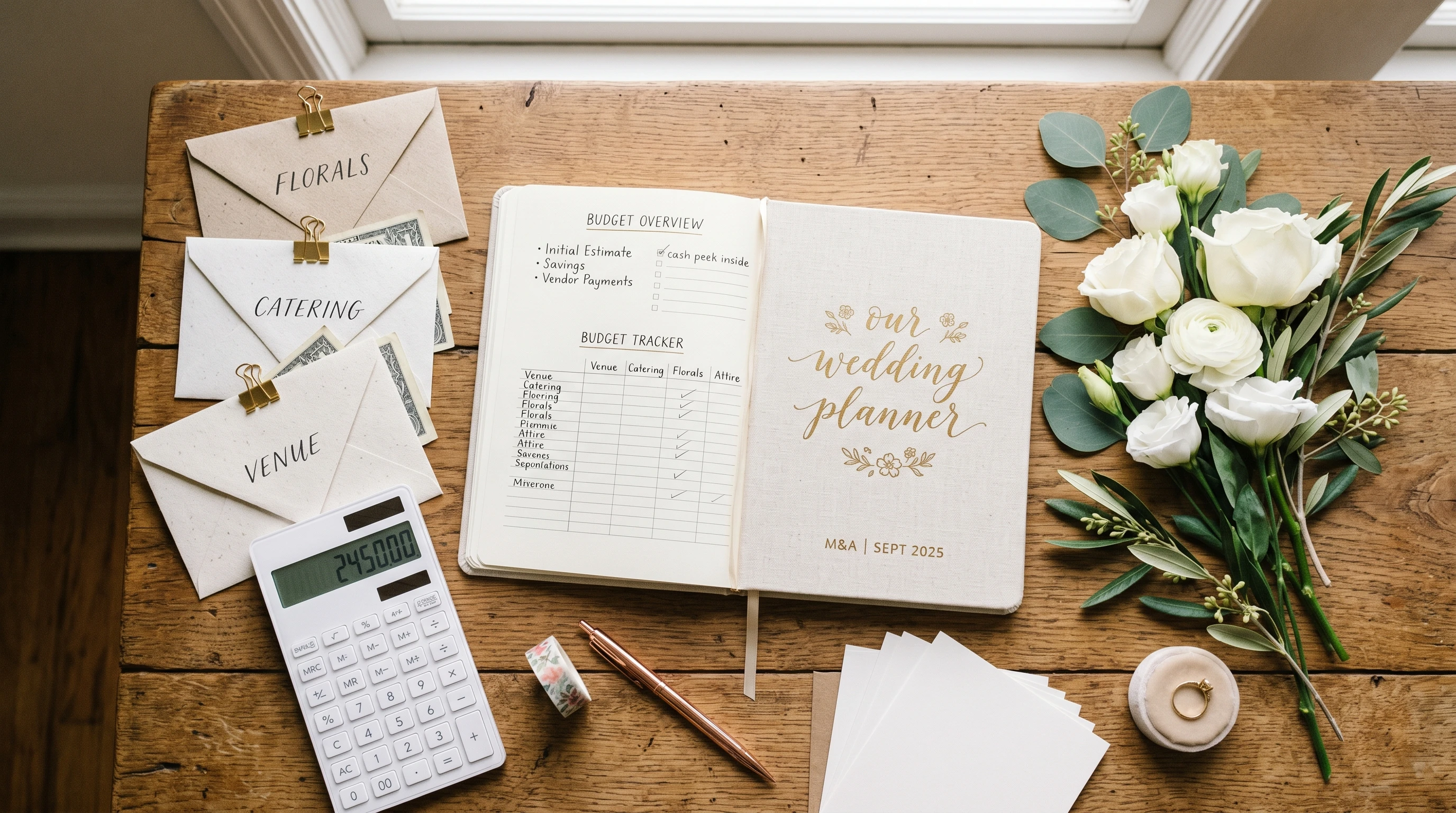
- Track Everything: Use a simple spreadsheet, a wedding planning app, or even just a notebook dedicated to your spending. Every quote and every expense should be written down so it’s easy to see where you stand.
- Break Down Big Categories: Assign more money to things that mean a lot to you, like giving your guests an amazing meal or choosing a photographer whose work you really love. Trim down or swap out details that aren’t as important.
- Watch for Hidden Costs: Ask about taxes, service fees, delivery charges, and overtime fees so you don’t end up surprised later. Little fees can add up quickly if you’re not prepared.
Comparing Vendors and Exploring Value
Contacting several vendors for every category saves money and also helps you understand what’s reasonable in your area. Suppliers range widely in what they offer for the price, so getting a few quotes for venues, photographers, florists, and caterers gives you better negotiating power and helps you spot deals.
- Look for All-in-one Packages: Venues that throw in tables, chairs, linens, tableware, and basic decor can make things much easier. Some places also include sound systems or simple lighting. This helps save you time as well as money because you won’t need to deal with many separate rentals.
- Ask for Itemized Quotes: Knowing exactly what’s included (and what’s not) from each supplier lets you compare apples to apples. For example, some photographers include engagement sessions, while others charge separately.
Sizing Up the Guest List
The guest list can be a make-or-break factor for your budget. Most venues and caterers price everything per guest. Reducing your guest list from 100 to 80 guests could save $5000-$8000 depending on venue and catering costs. Start with a “dream list” and then pare it down together if you need to keep costs in check. Focus on the people who’ve shaped you and your relationship; nobody expects you to invite everyone you’ve ever met.
Smaller weddings aren’t just budget friendly, they tend to be more intimate and personal, too. Many couples find their guests enjoy the gathering more because there’s more meaningful interaction with everyone present. Keeping the guest list tight also helps with logistics for things like seating and favors.
PocketFriendly Decor and DIY Ideas
It’s easy to fall into the trap of trying to recreate magazineworthy setups with pricey items and huge floral installations. Simple touches are often just as eye-catching, and you can save a lot by being clever with where you get things and what you do yourself. Don’t feel pressured by social media or trends; your wedding should reflect your personality and style, not a stranger’s Instagram page.
- Go Seasonal with Flowers: Seasonal flowers can reduce floral costs by 20-40% compared to imported flowers.
- Reuse Ceremony Decor: Move aisle arrangements or altar flowers to your reception. This lets you get more mileage out of your flower budget.
- DIY Touches: Table numbers, menus, simple centerpieces, or a photo display of you and your partner can all be made by hand. Gather some crafty friends for a fun night in, and you’ll save money while making special memories, too.
- Shop Smart: Check local thrift stores or online marketplaces for vases, candle holders, and other decor. Borrowing items from recently married friends or family members can also give a boost to your savings. Homemade touches like photo collages and creative signage not only save cash but add personal flair.
Where Saving Isn’t Always Worth It
There are a few wedding items where trying to cut corners can end up not working out. These are usually the services that help you remember the day and keep your guests happy. For example, food, photography, and even hair and makeup make a lasting difference.
- Photography and Video: This is your main keepsake once the day is over. Hiring a professional with a solid portfolio and glowing reviews is worth it. I’ve heard too many stories of regret from couples who picked the least expensive option here and weren’t happy with their memories.
- Catering: Guests almost always remember great food or bad food, so spending money here pays off. According to recent wedding industry surveys, catering typically consumes 25-35% of the total wedding budget, making it the largest expense for most couples. If you want to save, skip an extra course or opt for a buffet over plated meals, but prioritize quality ingredients and good service.
- Makeup and Hair: You’ll be in the spotlight all day, and professional artists know how to create looks that last through tears, hugs, and hours of dancing. If you have a friend who’s a pro, that’s great, but otherwise, go for a reputable artist with wedding experience.
Smart Ways to Cut Costs Without Cutting Corners
- Pick the Right Date: Choosing a wedding outside of peak months or on a weekday can often help you save on both venues and vendors. Ask suppliers if they offer offpeak pricing.
- Avoid Extras: Skip marquee tents unless absolutely necessary—they can lead to extra costs for flooring, lighting, and furniture rentals. Think about what’s really essential for your guests’ comfort and let go of the rest.
- Accept Help from Friends and Family: If you know someone who can bake your cake, play music, or make signage, and they’re willing, accepting their help can add to your budget in other areas. Plus, contributions from loved ones can make your day feel even more meaningful.
- Consider a Wedding Planner: Planners don’t just take away stress. They know which suppliers are reliable and can even negotiate discounts since they bring repeat business to vendors. In the long run, a good planner might actually help you save money while making the process a whole lot smoother.
Extra Tips for Smoother Planning
- Start Early, Book Early: Venues and top vendors get booked up fast, and prices can climb as dates fill up. Lock it in early for better rates and more options.
- Have Financial “Check-Ins”: Set regular dates to go over your spending together. This way, you can adjust as needed so surprises don’t pop up right before your big day.
- Don’t Forget Little Details: Postage for invites, tips for vendors, and transportation all add up. Writing out a master checklist helps keep these small but important expenses front and center.
- Protect Your Deposits: Whenever you book a vendor, make sure you get a contract and a receipt. These are crucial if plans change for any reason.
Frequently Asked Questions
I get a lot of wedding budget questions from friends and readers. Here are a few that come up the most:
How much should I expect to spend on my wedding?
Your total spend depends on your guest count, location, and what you care about most. According to The Knot’s 2023 Real Weddings Study, the average wedding in the U.S. costs around $35,000, but you can definitely pull off an amazing celebration for much less (or more, if that’s your style). Setting your priorities will help shape your true number.
How do I actually stick to a budget?
Tracking everything in a spreadsheet or with a wedding app is a game changer. Stay organized by setting maximum spends for each vendor or area. If you go a bit over in one place, try trimming elsewhere so your overall spending stays balanced. Be honest with yourself and your partner—open communication helps you make decisions as a team.
What is the best way to track wedding expenses?
The best way to track wedding expenses is to use a dedicated wedding budget tracker or app that allows you to record quotes, deposits, payments, and remaining balances in one place. Keeping all your expenses organized helps you stay within budget, identify overspending early, and avoid unexpected costs. Whether you use a spreadsheet or a wedding budget app, updating your expenses regularly and reviewing your budget throughout the planning process is key to staying financially on track.
How can I save money on wedding catering?
Catering is often the largest wedding expense, but there are several ways to reduce costs without sacrificing quality. Consider serving a buffet instead of a plated meal, limiting the number of courses, choosing seasonal ingredients, or hosting your wedding during lunch rather than dinner. You can also reduce catering costs significantly by keeping your guest list smaller.
Does a smaller guest list really reduce wedding costs?
Yes. A smaller guest list is one of the most effective ways to lower wedding expenses because many costs are charged per person. Catering, drinks, invitations, wedding favors, and venue costs are often directly linked to the number of guests attending. Reducing your guest count can save thousands while creating a more intimate experience.
What wedding expenses do couples often forget to budget for?
Many couples overlook costs such as vendor gratuities, wedding insurance, marriage license fees, alterations, transportation, accommodation, postage, beauty treatments, and overtime charges from vendors. Setting aside an additional 5% to 10% of your total budget can help cover these unexpected expenses.
How much should I budget for wedding flowers?
Wedding flower costs vary depending on your location, season, and floral choices. Flowers typically account for around 8% to 10% of a wedding budget. Choosing seasonal flowers, reusing ceremony arrangements at the reception, and focusing on key floral displays can help keep costs under control.
Should I get married during the off-season to save money?
Getting married during the off-season can result in substantial savings. Many venues and vendors offer discounted rates during less popular months or on weekdays. You’ll often have more vendor availability and greater flexibility when negotiating prices.
How much should I save for unexpected wedding expenses?
Wedding experts often recommend setting aside 5% to 10% of your total wedding budget for unexpected expenses. Last-minute vendor fees, extra guests, transportation costs, weather-related changes, and forgotten items can quickly add up. Having a contingency fund helps reduce stress and prevents overspending
What is the easiest way to manage a wedding budget?
The easiest way to manage a wedding budget is to use a dedicated wedding budget tracker that keeps all your expenses, quotes, deposits, and payment deadlines organized in one place. A wedding budgeting app can help couples monitor spending in real time, avoid unexpected costs, and stay on track throughout the planning process.
Key Takeaway for a BudgetFriendly Wedding
Wrapping up, planning a meaningful wedding on a budget isn’t about giving up what matters to you. It’s about thoughtful spending, knowing your non-negotiables, and aiming resources where you’ll feel them most. Careful planning, comparing your options, picking the right venue, and considering your guest list all play a big part. Put your energy into the food, the photos, and making time to really enjoy the celebration together. Those are the memories you and your guests will cherish for years—more than any centerpiece, fancy favor, or highend rental. Stick with these tips, stay true to your values, and you’ll craft a wedding that’s both amazing and affordable.